
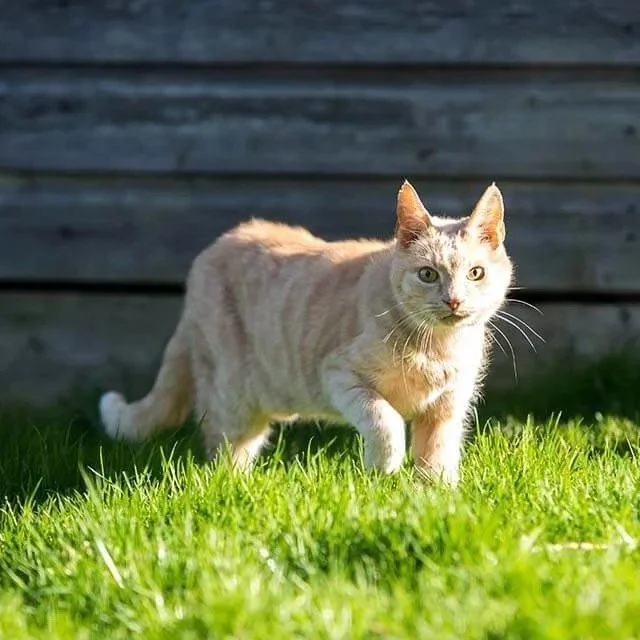
Feral Cats
Feral cats are one of the most misunderstood groups we work with.
This page explains how to identify a feral cat, how they differ from strays and pets, what they need from life, and why careful planning is essential before any trapping takes place.
1. How to Identify a Feral Cat
Behaviour
Feral cats:
Avoid people and keep distance
Do not approach for food or touch
Move quickly and quietly
May freeze, flee, or defend if cornered
Are most active at dawn/dusk
A well‑loved family pet, by contrast, will:
Approach calmly
Seek human interaction
Vocalise for attention
Show relaxed, confident body language
Often appear clean and groomed
Body Language
Feral cats often:
Keep their bodies low
Avoid eye contact
Have a tense posture
Hide immediately when noticed
Pets and strays tend to:
Walk with confidence
Make eye contact
Show relaxed tails and ears
Condition
Feral cats may look:
• Weathered or rough
• Lean but muscular
• Dirty from outdoor living
A stray may look unkempt but will often:
• Approach humans
• Vocalise
• Show signs of previous care (collar marks, grooming patterns)
2. Feral vs Stray: The Key Differences
Feral
Socialisation - Not socialised to humans
Behaviour - Avoids people
Handling - Cannot be safely handled
Rehoming - Not suitable as pets
Best outcome - TNR and return to territory
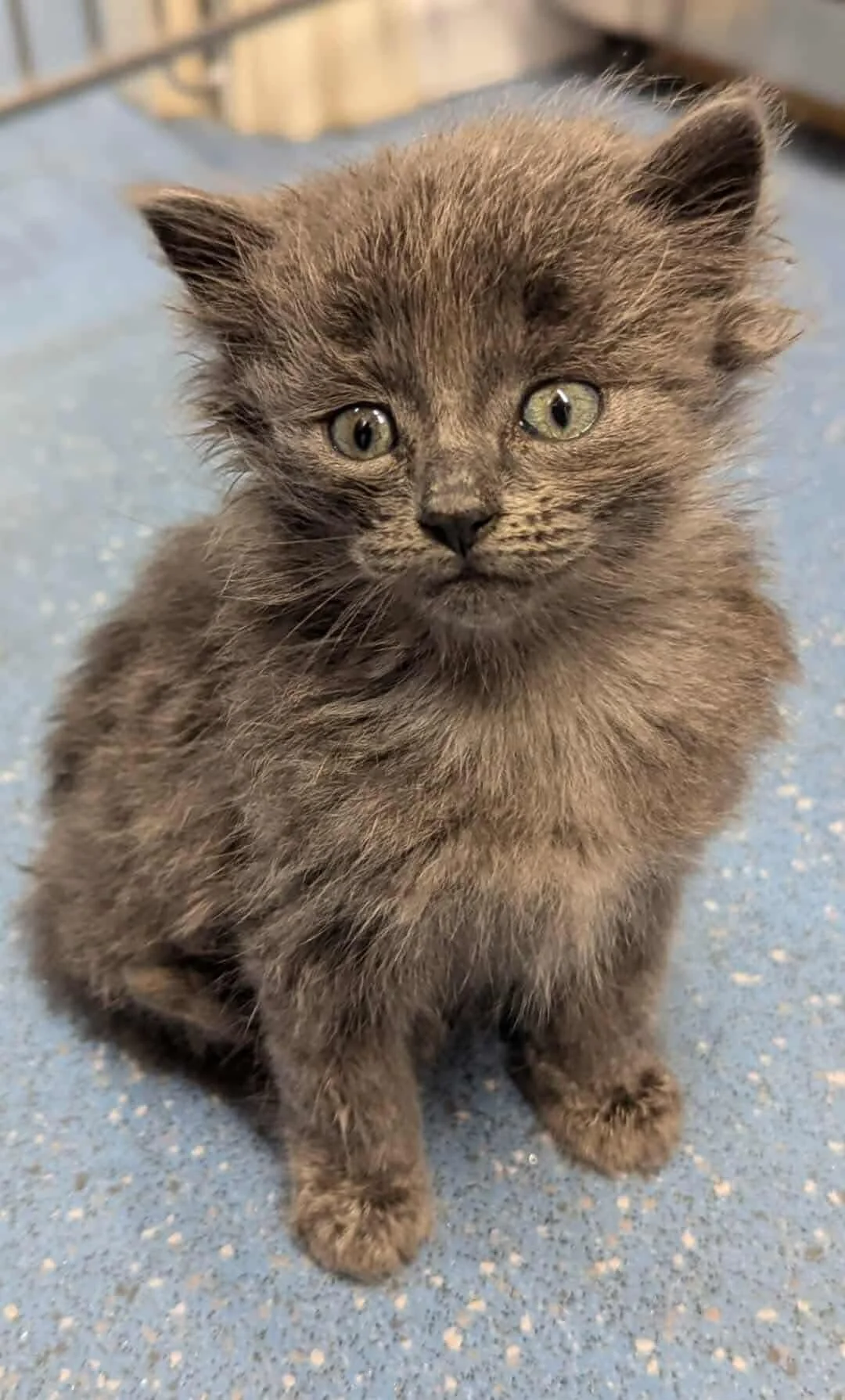
Stray
Socialisation - Previously lived with humans
Behaviour - Approaches people
Handling - Often handleable
Rehoming - Often adoptable
Best outcome - Reunite or rehome
A feral cat is not a “lost pet.” A stray is.
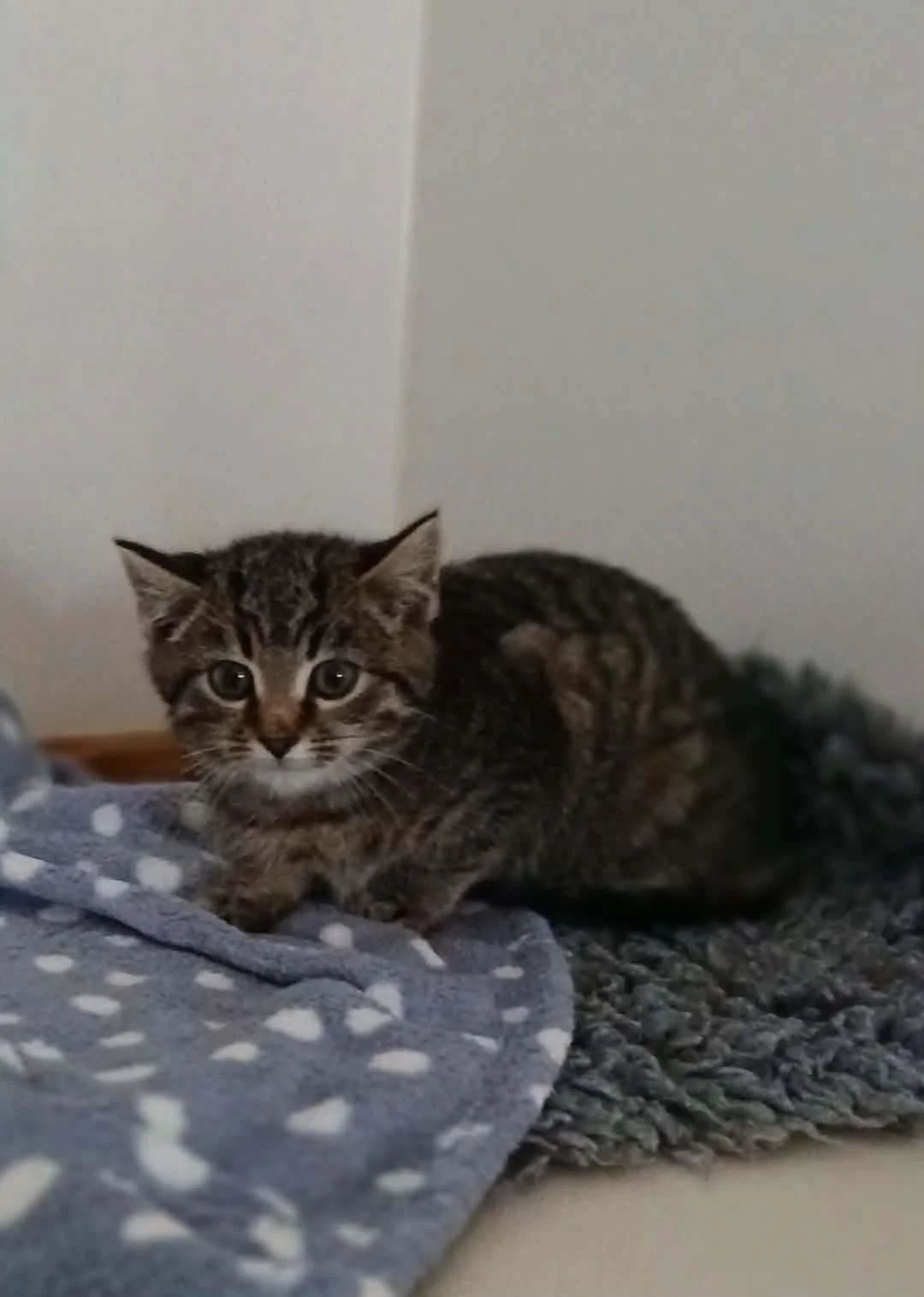
3. What Feral Cats Want From Life
Feral cats are not failed pets.
They are outdoor‑adapted animals whose welfare depends on:
Familiar territory
Predictable food sources
Safe shelter
Minimal human interference
Stable colony structure
Their wellbeing comes from environmental stability, not human affection.
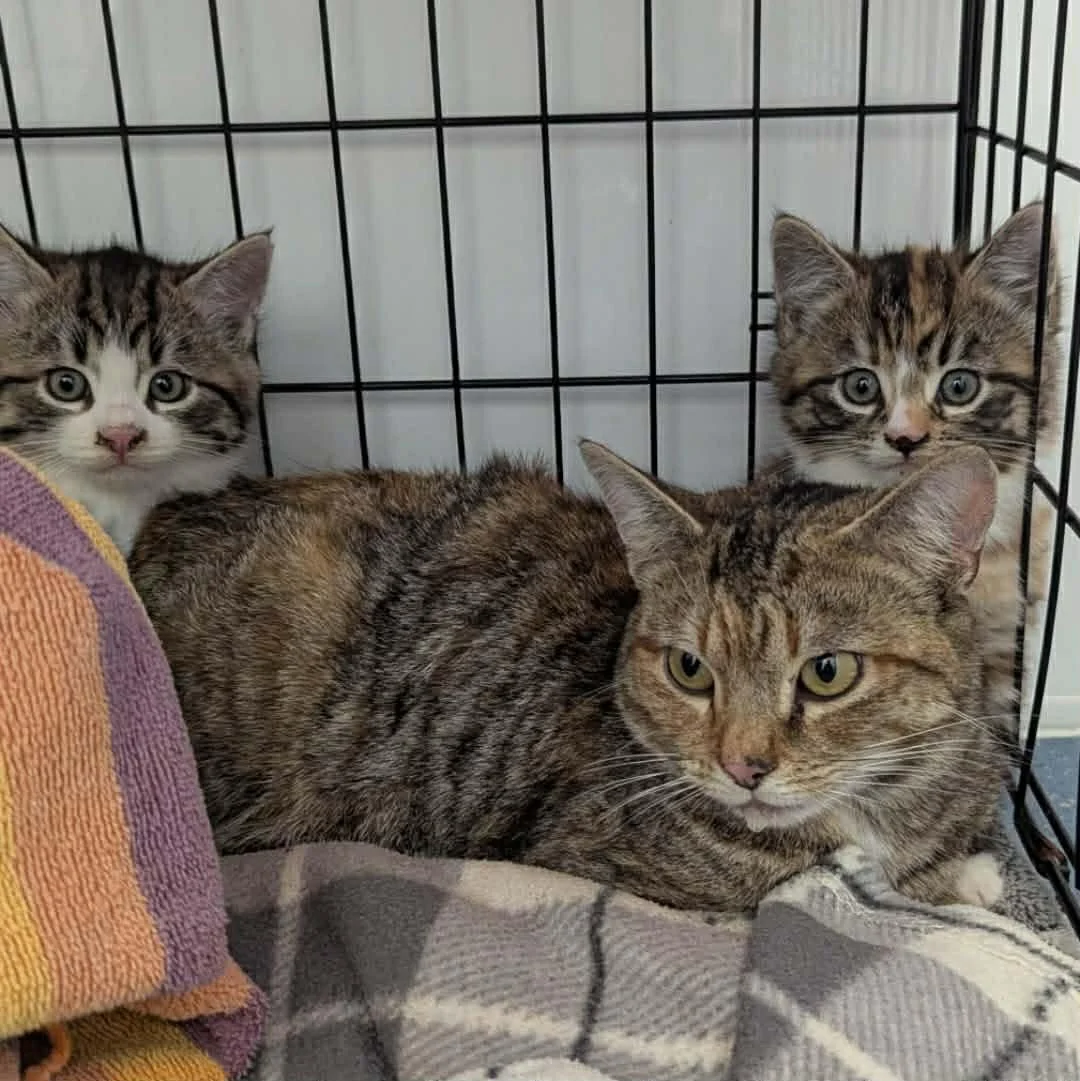
4. Taming Potential: Kittens vs Adults Kittens
Kittens
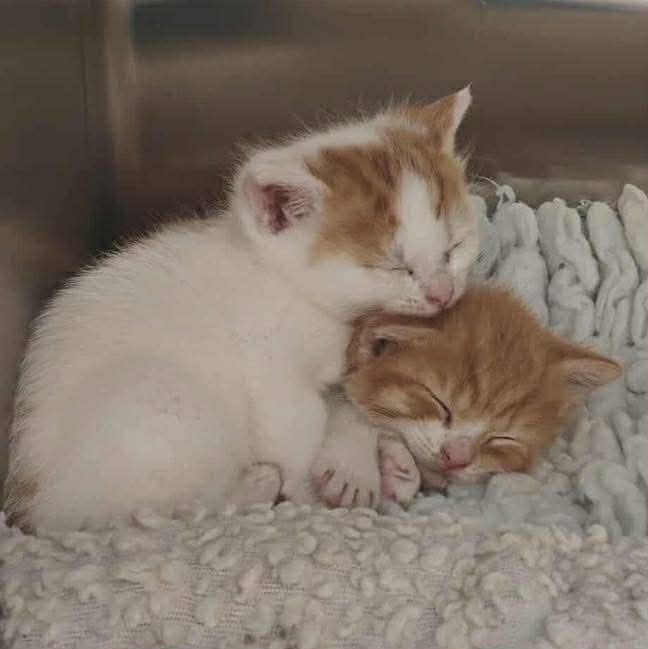
Under 8 weeks: high potential for socialisation
8–12 weeks: possible but requires experienced handling
Over 12 weeks: increasingly difficult
Over 16 weeks: usually not humane or fair to attempt
Adult Feral Cats
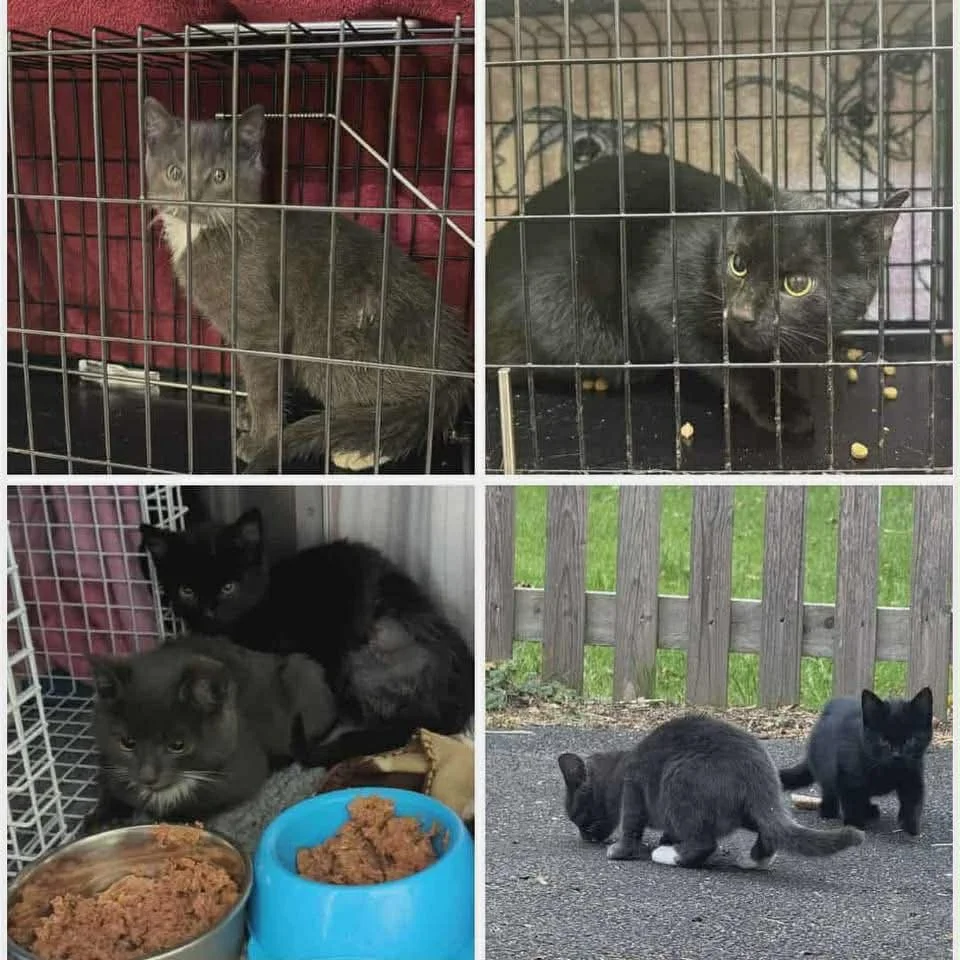
Do not “tame” into pets
Experience indoor living as stressful
May shut down or become defensive
Have poor welfare outcomes if forced into homes
The kindest option is TNR and supporting them where they are.
5. How Colonies Form - And How Fast A single unneutered pair can become a colony shockingly quickly.
One female can have 3 litters per year
Average litter size: 3–6 kittens
Kittens can become pregnant at 4–6 months
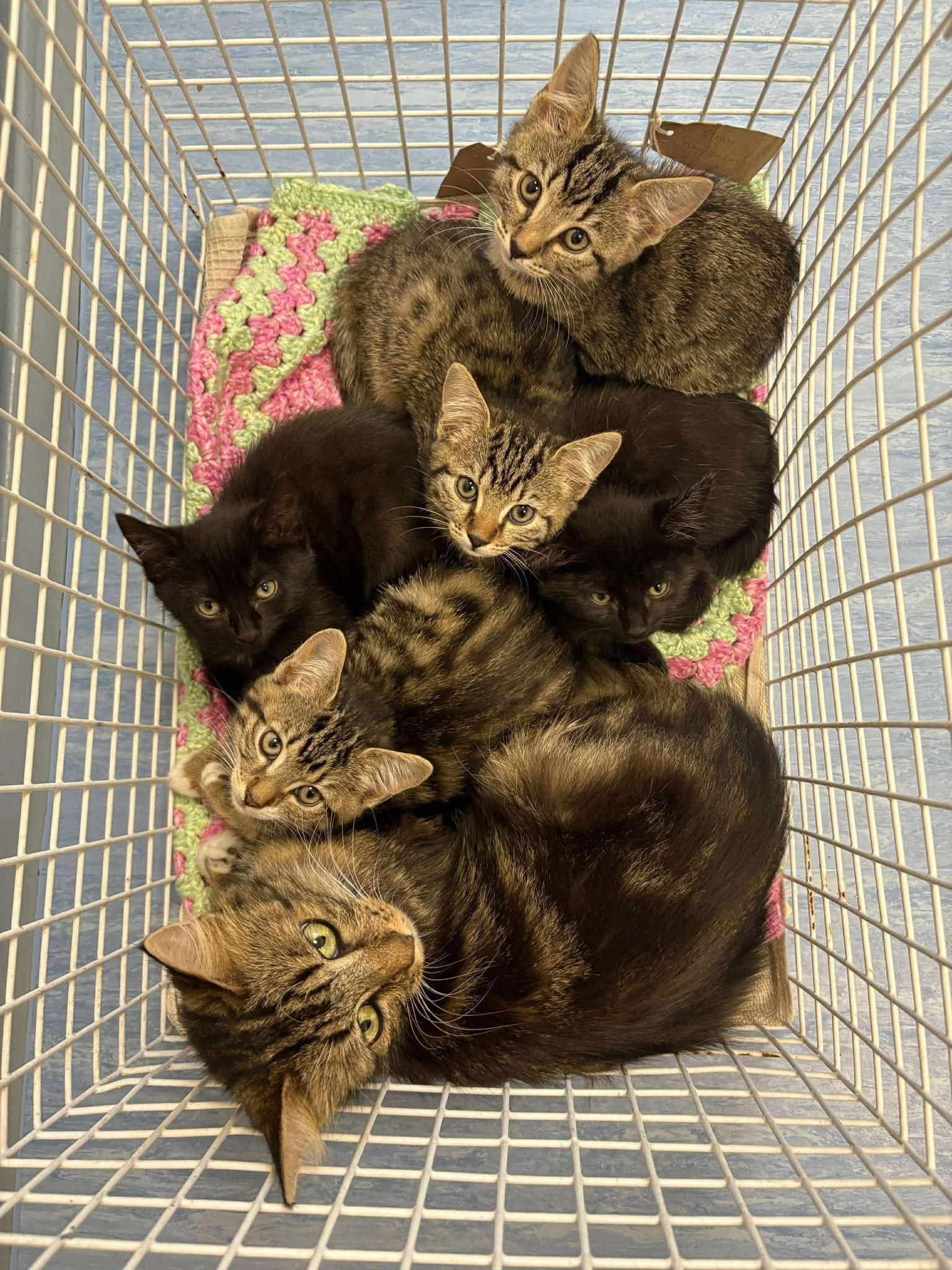
Within a year, “just one mum and dad” can become:
Multiple breeding females
Several litters
A rapidly expanding colony
This is why early intervention is essential.
6. Risks to Feral Cats
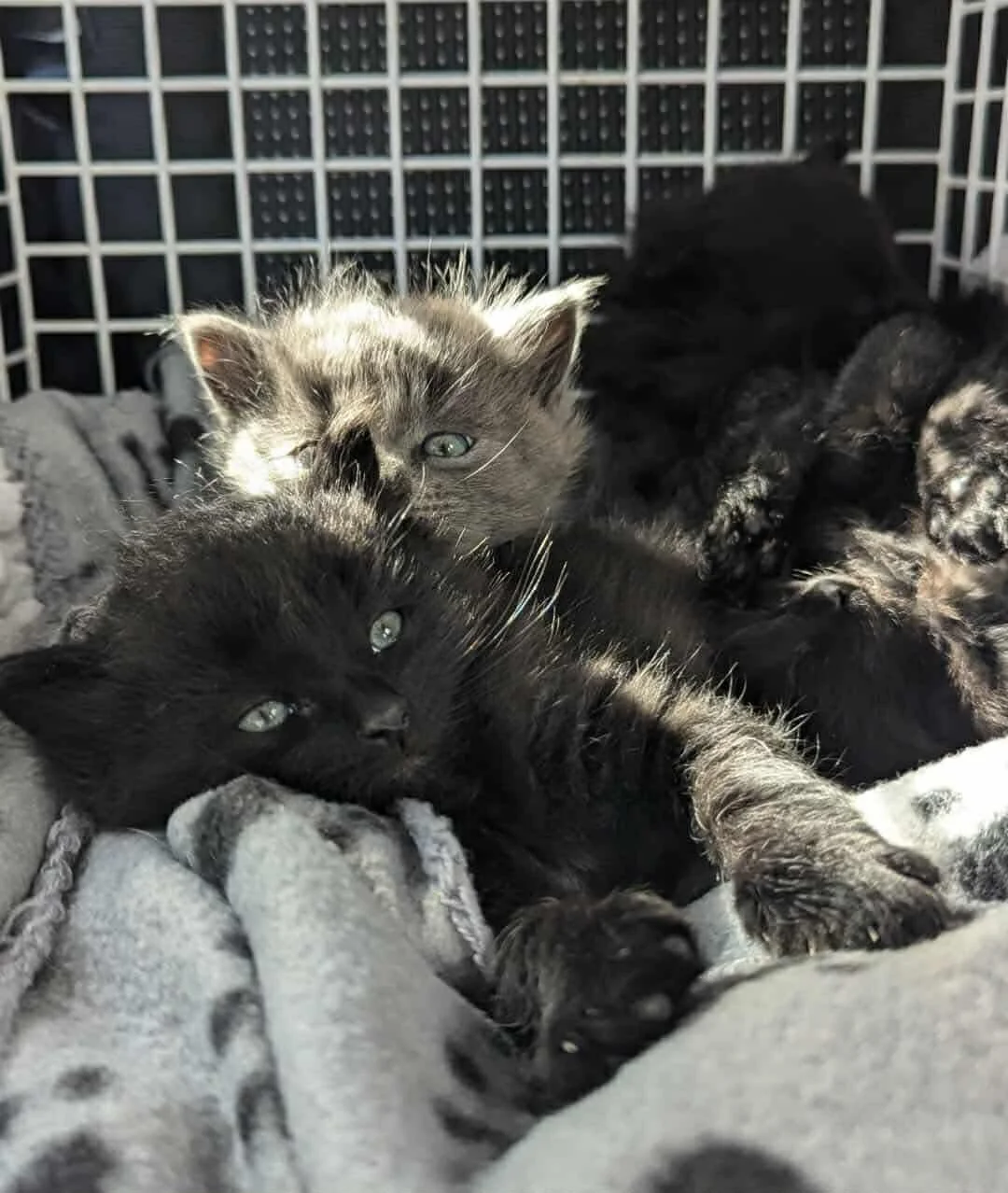
Feral cats face daily hazards, including:
Traffic
Disease
Parasites
Injury from other animals
Poisoning
Lack of shelter
Human cruelty
Starvation during winter
TNR dramatically reduces suffering by stabilising numbers and improving health.
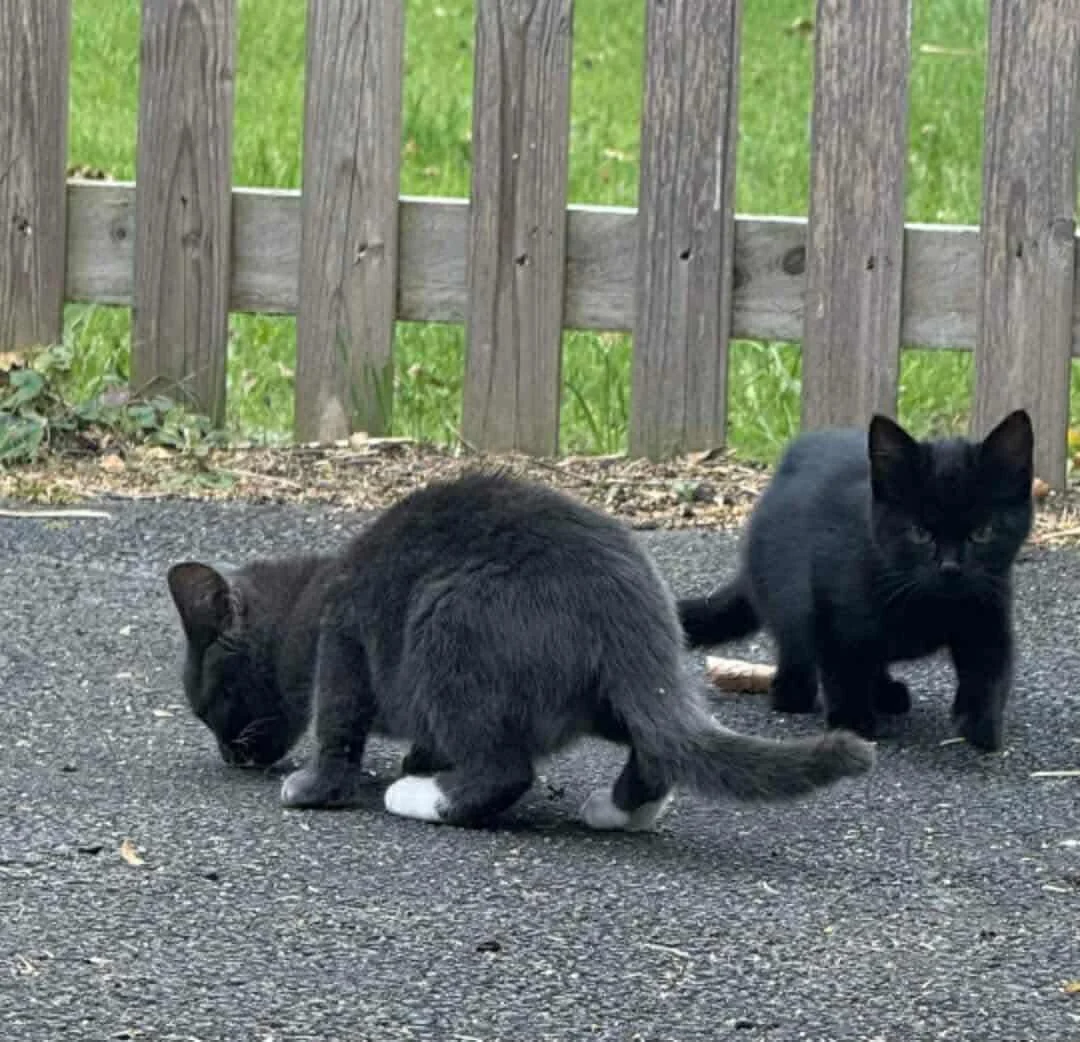
7. TNR and the Importance of Familiar Territory
Returning a feral cat to their known territory is vital because:
They know where to find food
They know safe hiding places
They understand local dangers
They have established boundaries with other cats
Relocating a feral cat without necessity is unsafe and can be fatal.
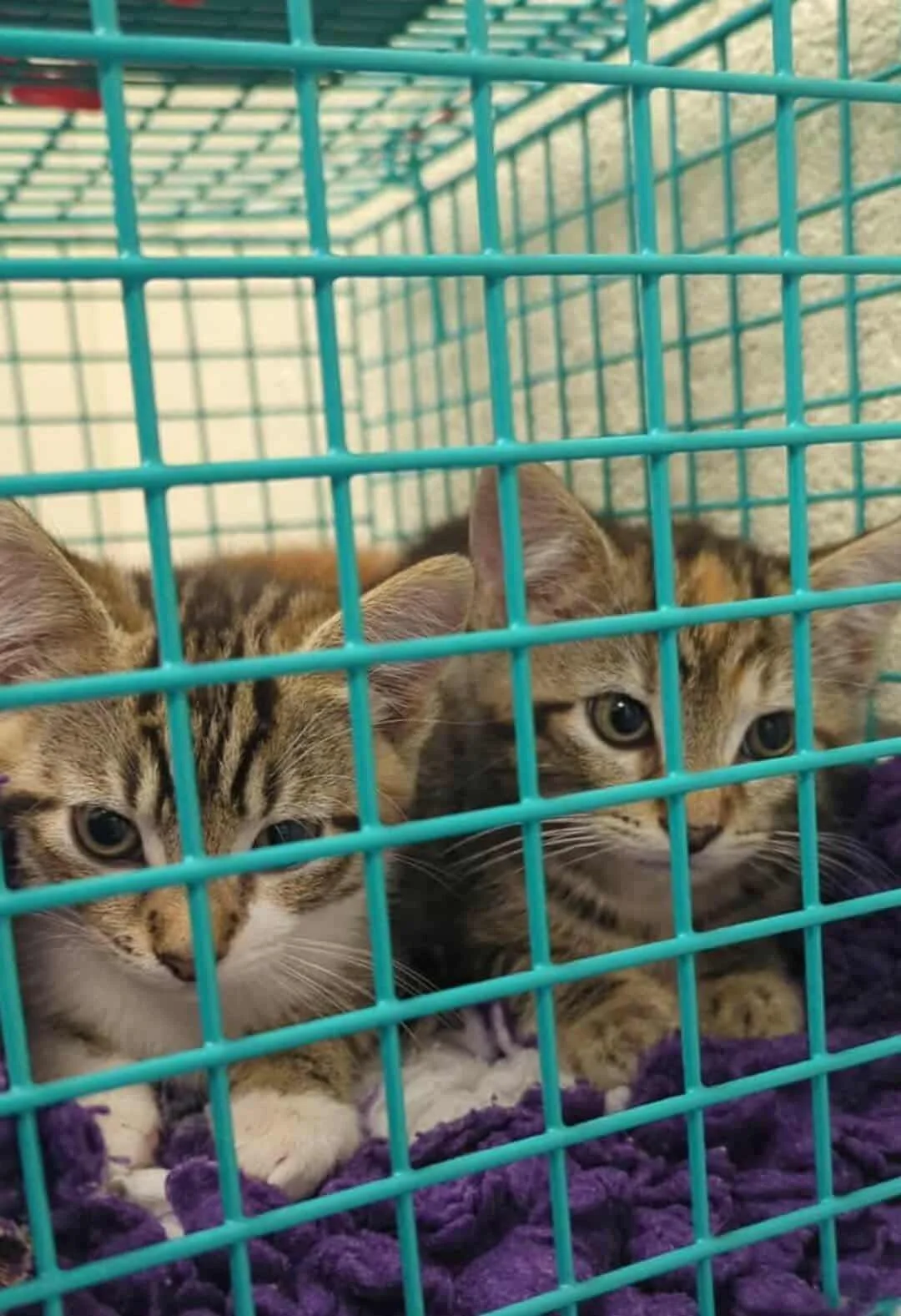
8. Ear‑Tipping: What It Means and Why It Matters
Ear‑tipping is a small, painless procedure performed under anaesthetic during neutering. It involves removing the tip of the left ear.
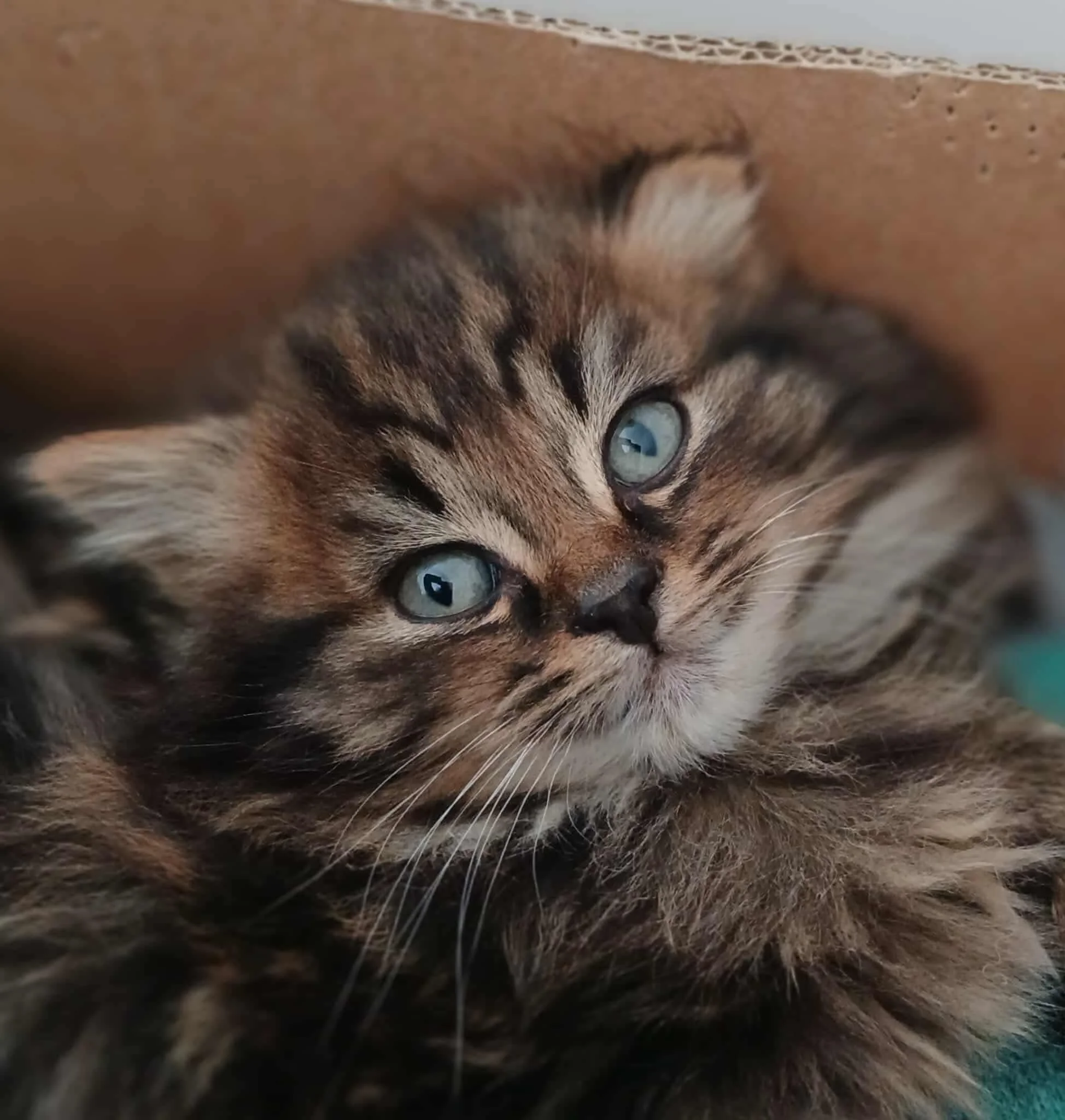
Why it helps:
Instantly identifies a neutered cat
Prevents unnecessary retrapping
Protects nursing mums from being separated
Helps colony carers monitor numbers
If you see a cat with a tipped ear, they have already been neutered and returned.
9. The Trapping Process: Why Planning Matters
Trapping is not as simple as “putting out a trap.” It requires careful preparation to protect the cats and avoid mistakes.
Before trapping begins
We must:
Observe the cat(s) over several days
Confirm whether they are feral, stray, or a missing pet
Check for kittens
Identify feeding patterns
Speak with local residents
Ensure no owned cats are at risk of being trapped
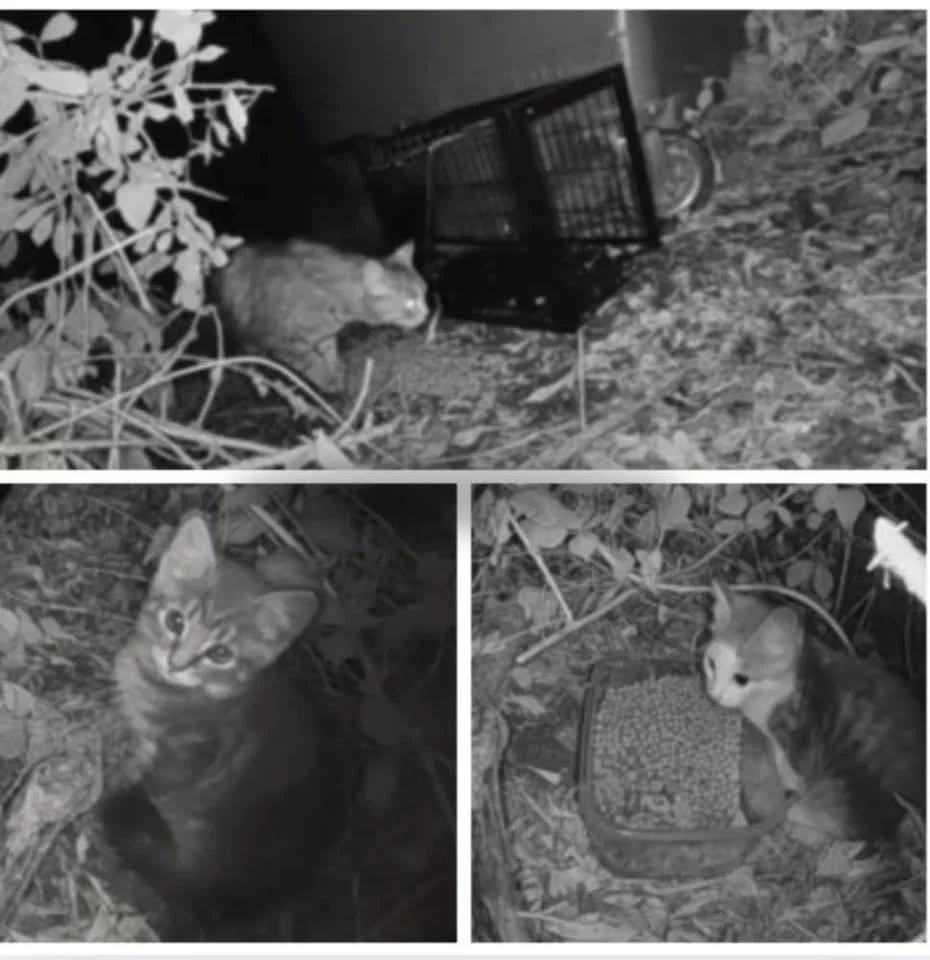
Use of cameras
Cameras allow us to:
Confirm numbers
Identify mums and kittens
Track movement patterns
Ensure no kittens are left behind
Monitor traps remotely for safety
Community involvement
We may ask neighbours to:
Keep pets indoors during trapping
Avoid feeding during the trapping window
Report sightings
Share information about possible owners
During trapping
We ensure:
Traps are monitored continuously
Cats are not left in traps
Nursing mums and kittens are trapped together
No cat is transported without welfare checks

After trapping
Cats are neutered, treated, and ear‑tipped
Kittens (if young enough) may enter socialisation
Adults are returned to their territory
Colony numbers are monitored long‑term
This process protects the cats and ensures no mistakes are made
10. Why You Must Work With a Rescue Before Trapping Any Cat
Trapping a cat — feral, stray, or unknown — is not something the public should ever do alone. It may feel like “helping,” but unplanned trapping can put cats at risk, overwhelm rescues, and create emergencies that could have been avoided.
Rescues cannot simply “jump in” once a cat is already trapped.
We need capacity, funding, veterinary slots, and safe placement options in place before a trap is ever set.
1. Trapping Creates Immediate Responsibility Once a cat is trapped, it cannot be released without assessment.
It needs:
A safe holding space
A vet appointment
Transport
Food, litter, and monitoring
A plan for what happens next If a rescue has no space or funds available, the cat’s welfare is compromised.
2. Rescues Must Confirm Capacity First
Before trapping, we must ensure we have:
A confirmed vet slot
Isolation space
Funding for treatment and aftercare
Volunteers available for monitoring
A plan for return, relocation, or socialisation
If any of these pieces are missing, trapping cannot go ahead.
3. Unplanned Trapping Can Separate Families
People often trap a single cat without realising:
She may be a nursing mum
Kittens may be hidden nearby
A bonded colony may be disrupted
Separating mums and kittens is dangerous and can be fatal for the kittens.
4. Financial Planning Is Essential
Every trapped cat creates unavoidable costs:
Neutering
Parasite treatment
Pain relief
Antibiotics
Microchipping (if appropriate)
Fuel and transport
Food and litter during recovery
Rescues must ensure funds are available before committing to a trapping operation.
5. Public Trapping Can Put Cats at Risk
Without proper planning, cats may:
Be left in traps too long
Overheat or become hypothermic
Injure themselves trying to escape
Be trapped without a safe place to go
Be released inappropriately Working with a rescue prevents these welfare risks.
11. Our Commitment
We work with feral cats using evidence‑based, welfare‑led methods.
Every decision is made with the cat’s wellbeing at the centre — not convenience, not emotion, not pressure.
Feral cats deserve safety, dignity, and respect.
TNR gives them exactly that.
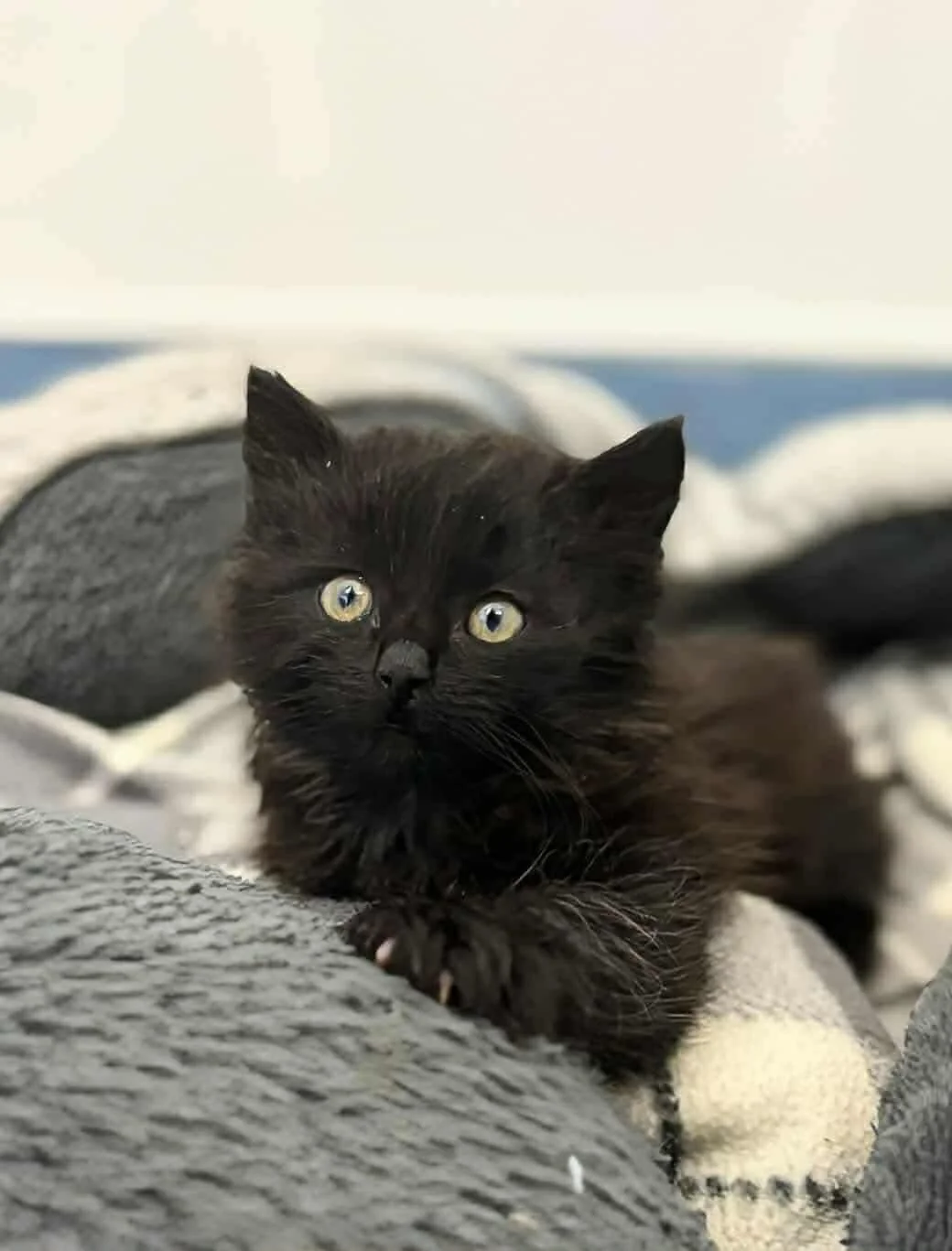
Feral Cat Guide
A true feral cat is not a house pet in disguise. They are a wild‑living domestic species who must have outdoor territory, autonomy, and escape routes. The settling period is about anchoring them to a safe home base — not about taming.
This guide emphasises secure, appropriate feral housing, not indoor rooms.
1. A Secure, Purpose‑Built Settling Space (4–6 weeks minimum)
This is the single most important part of feral adoption.
A feral cat must be confined initially in a secure, non‑domestic structure, such as:
A barn
A stable
A tack room
A shed
A garage
A purpose‑built feral pen
A secure outbuilding with no escape points
NOT suitable:
Spare bedrooms
Living rooms
Kitchens
Any domestic indoor space
Why: Indoor rooms are stressful, echoey, full of human scent, and impossible for a feral cat to feel safe in.
A secure outbuilding mimics the environment they understand: quiet, stable, low‑pressure, and with natural hiding opportunities.
2. The Settling Space Must Be Escape‑Proof - This cannot be overstated!
Check for:
Gaps in walls or floors
Loose roofing boards
Open rafters
Uncovered vents
Windows that don’t lock
Doors that don’t seal
Holes behind stored items
A feral cat will find the one gap you didn’t notice.
Why: If they escape before they’ve mapped the territory, they will bolt and may never return.
3. Hiding and Security Inside the Space
They need places where they can fully disappear.
Provide:
A covered crate
A feral den box
A deep hay/straw corner
A wooden hide with a single entrance
High shelves or beams they can perch on
Avoid:
Open beds
Plastic igloos with wide entrances
Anything that forces them into the open
Why: A feral cat’s primary safety mechanism is invisibility.
4. Minimal Human Contact During Settling
This is a welfare requirement, not a preference.
Do:
Enter quietly
Feed and clean at predictable times
Keep interactions brief
Avoid:
Trying to touch them
Sitting in the space
Attempting to “win them over”
Why: For a feral cat, forced proximity is a threat.
Respecting distance builds trust far more effectively.
5. A Long‑Term Outdoor Territory Once the settling period is complete, they must have access to the outdoors.
They need:
A safe area away from busy roads
A weatherproof shelter they can return to
A consistent feeding station
Fresh water
Neutering and microchipping
A plan for vet care (trap‑and‑sedate)
Why: A feral cat cannot regulate stress indoors.
They need space, escape routes, and environmental control.
6. Shelter Requirements (Long‑Term)
A proper feral shelter should be:
Waterproof
Windproof
Insulated
Raised off the ground
Lined with straw (never blankets)
Small enough to retain heat
Why: Even hardy ferals need protection from cold and wet.
7. Feeding Routine Consistency anchors them to their new territory.
They need:
Daily feeding at the same times
A sheltered feeding area
Wet food plus biscuits
Clean water available at all times
Why: Regular feeding keeps them healthy and prevents roaming.
8. Veterinary Care Plan Because they cannot be handled, adopters must plan for:
Sedation for vet visits
A vet comfortable with ferals
A secure trap
Flea/worm treatment in food
Why: Feral cats still need medical care, but it must be done safely.
9. Realistic Expectations
A feral cat may:
Never want touch
Avoid humans
Only appear at feeding times
Live alongside you, not with you
But they can:
Form routines
Show trust through proximity
Relax in your presence at a distance
Become a valued working companion
Success = stability, not affection.